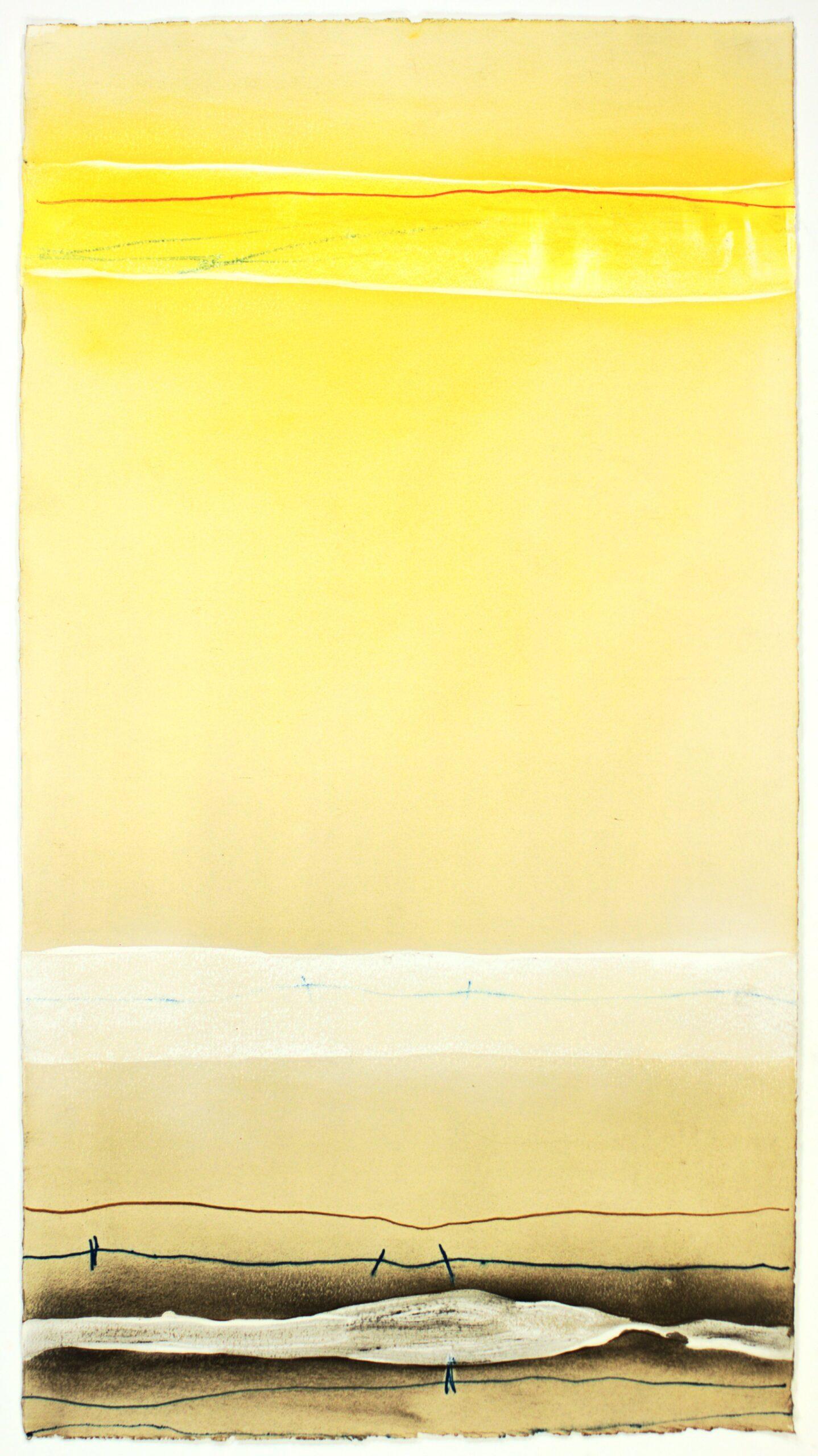
Reinhard Hanke
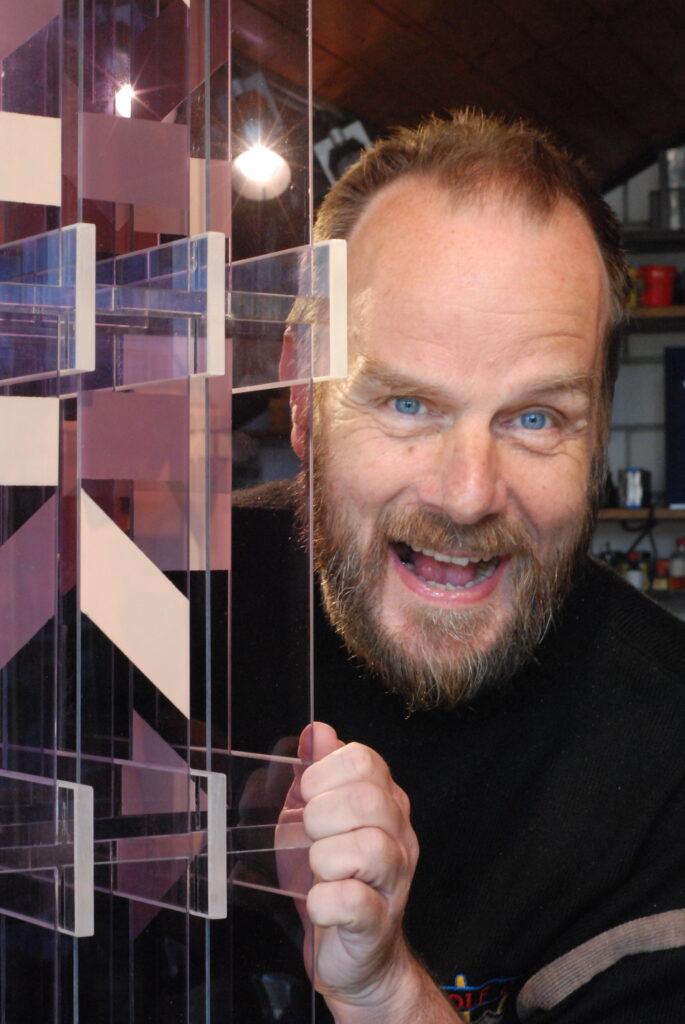
Reinhard Hanke (born 1951 in Bad Oeynhausen, Germany) is a German contemporary visual artist whose work explores the complex relationships between human existence, perception, identity, and the structures that shape our understanding of reality.
He began his artistic education in 1969 at the Braunschweig University of Art, studying painting, graphic arts, and sculpture. His interdisciplinary interests in philosophy, perceptual psychology, and communication theory laid the foundation for a distinctive artistic language that moves between figuration and abstraction.
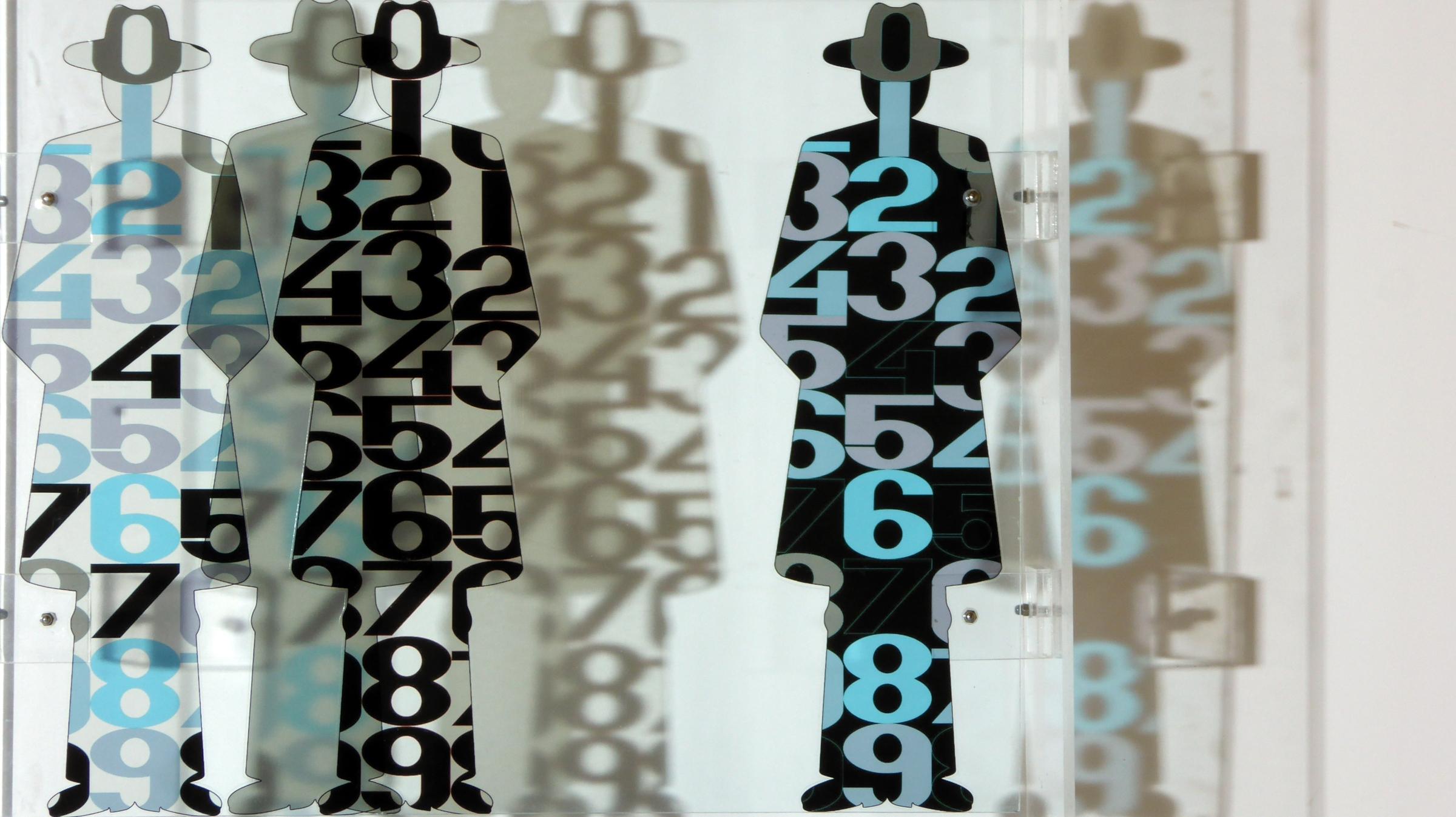
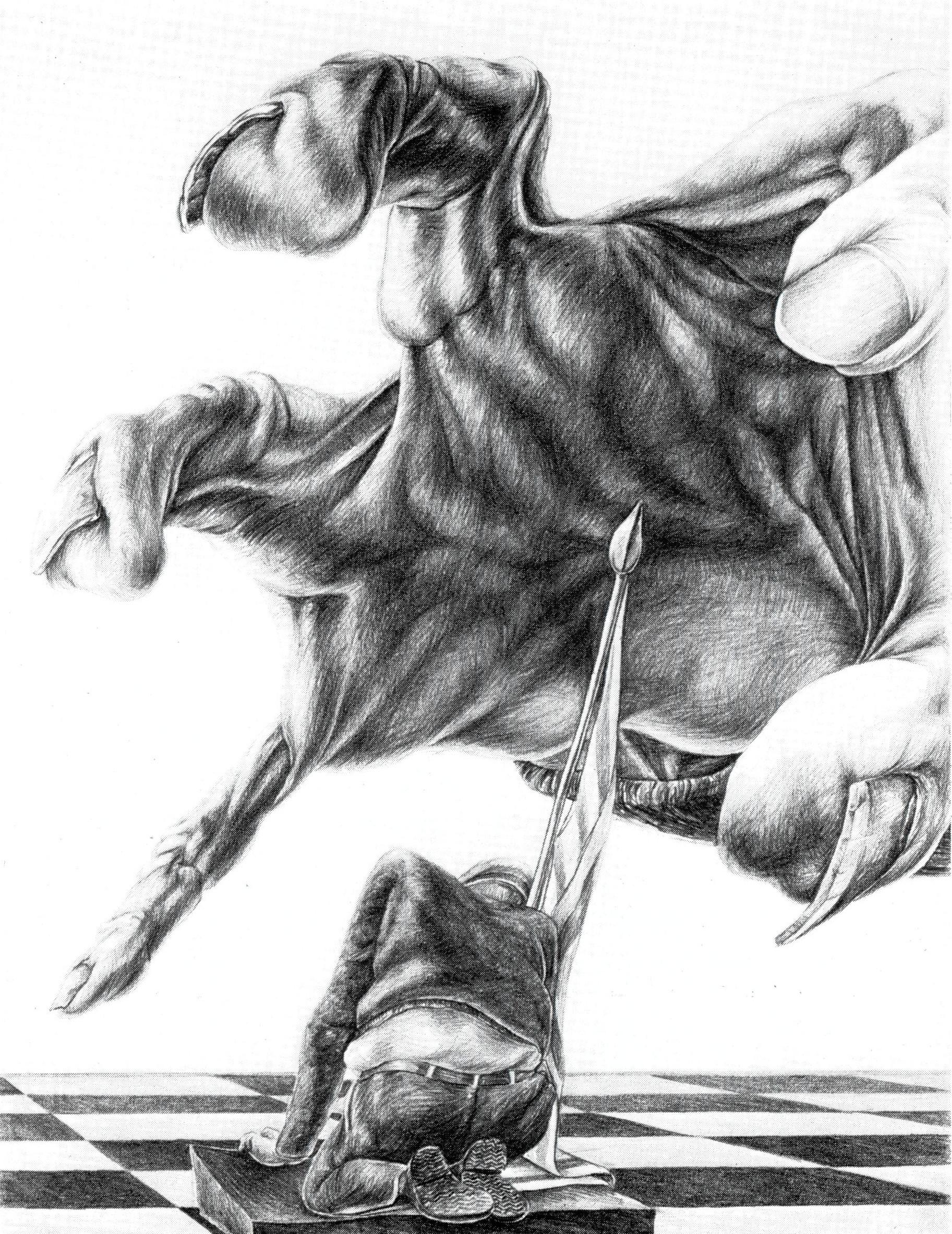
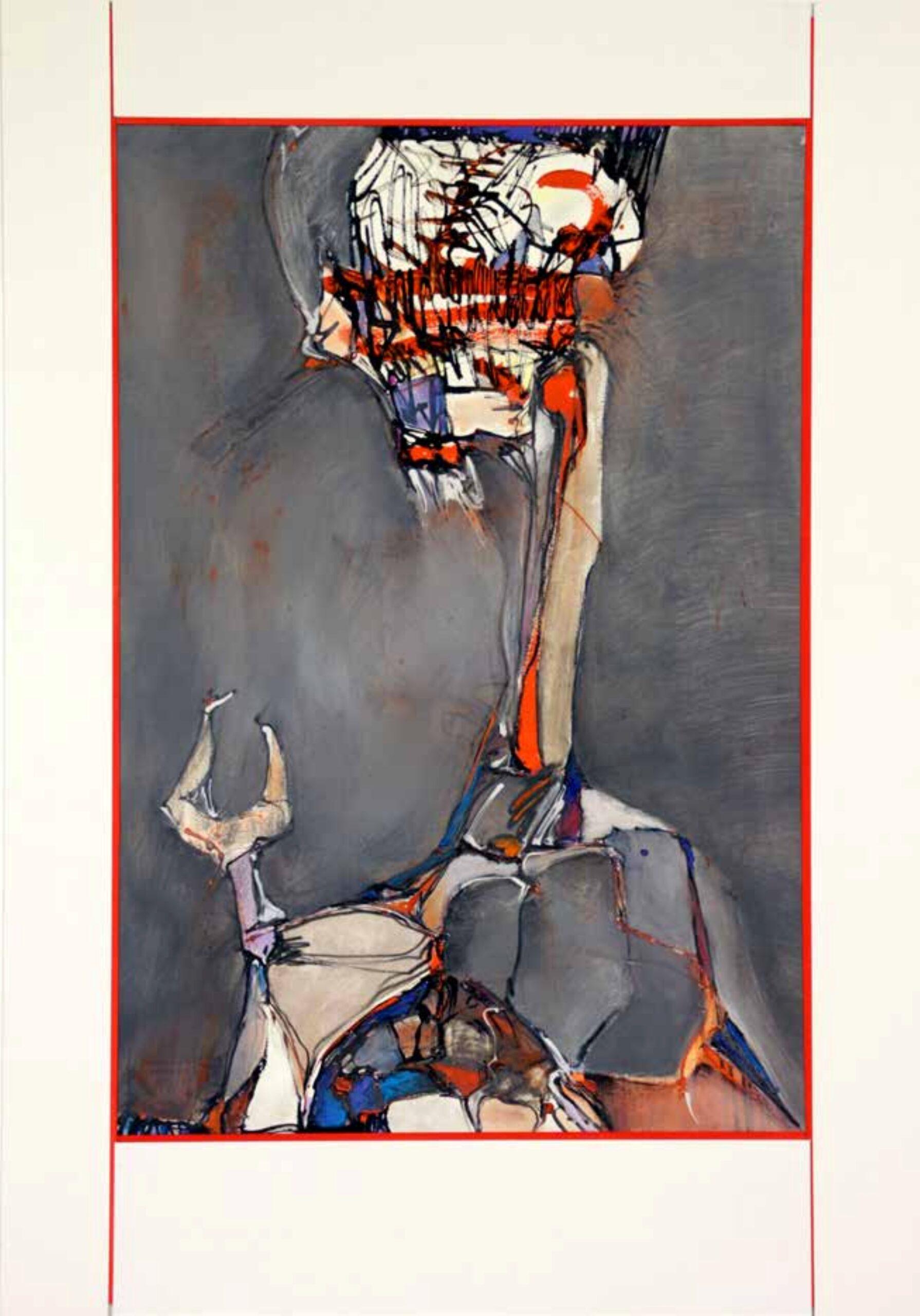
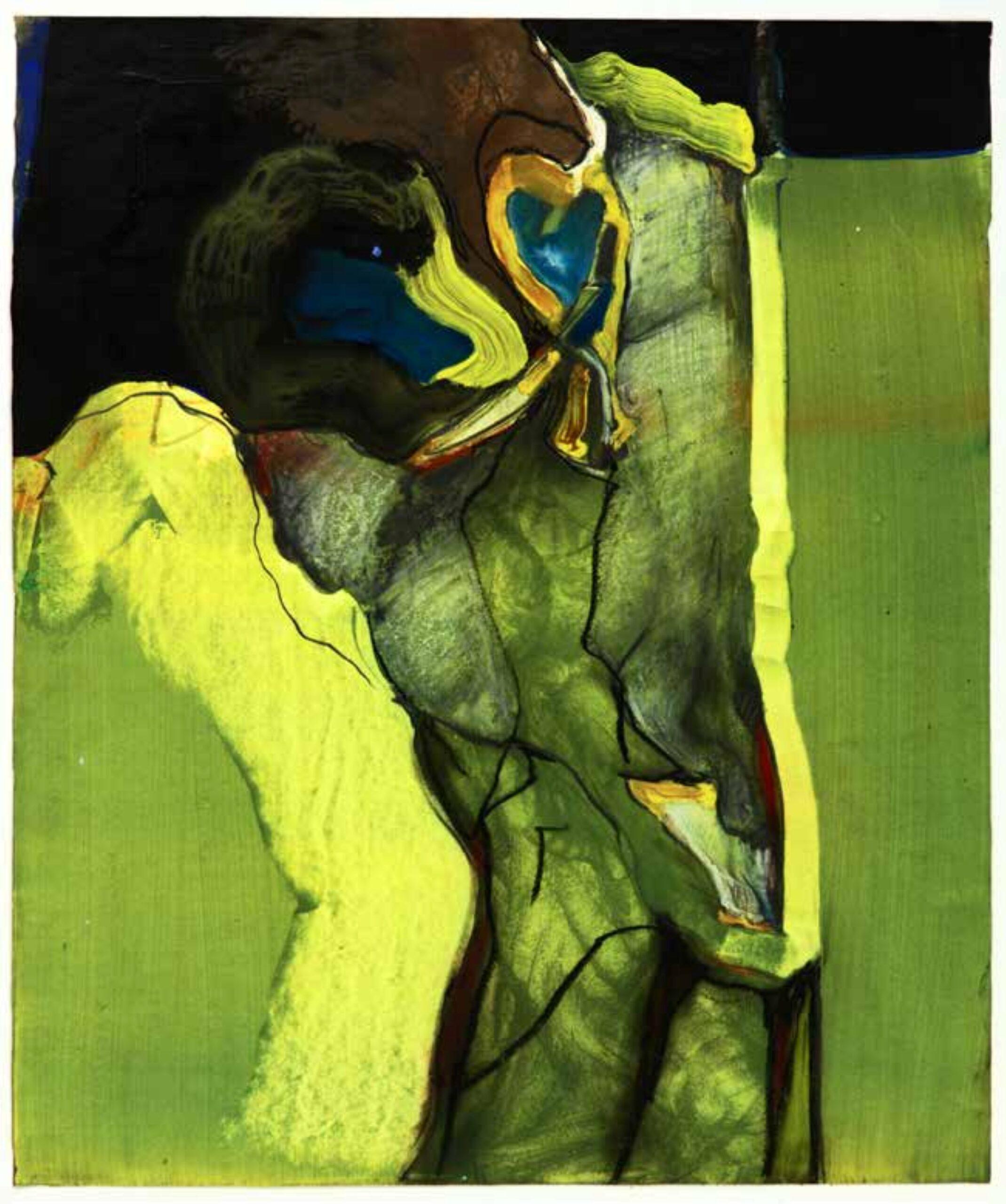
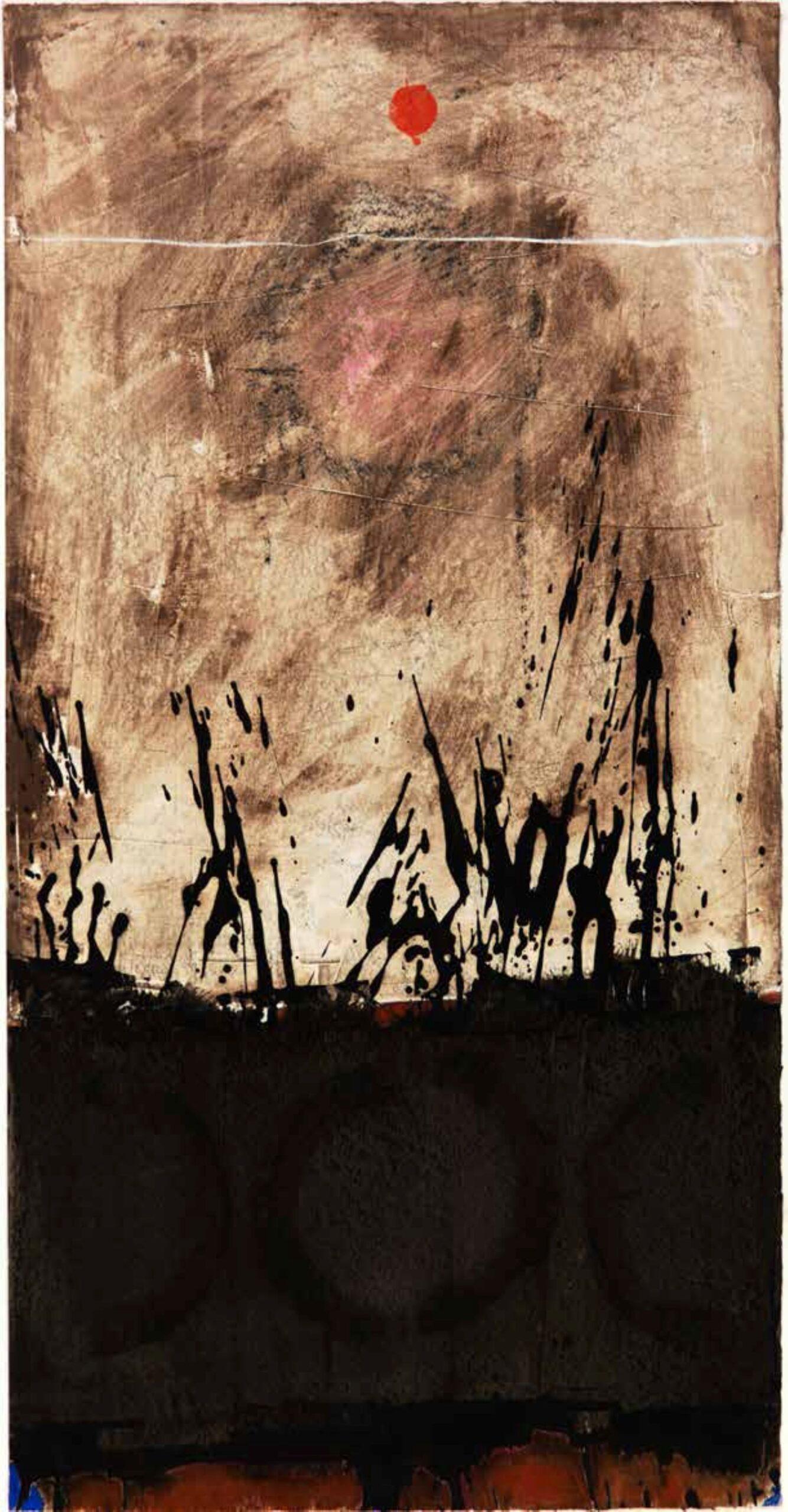
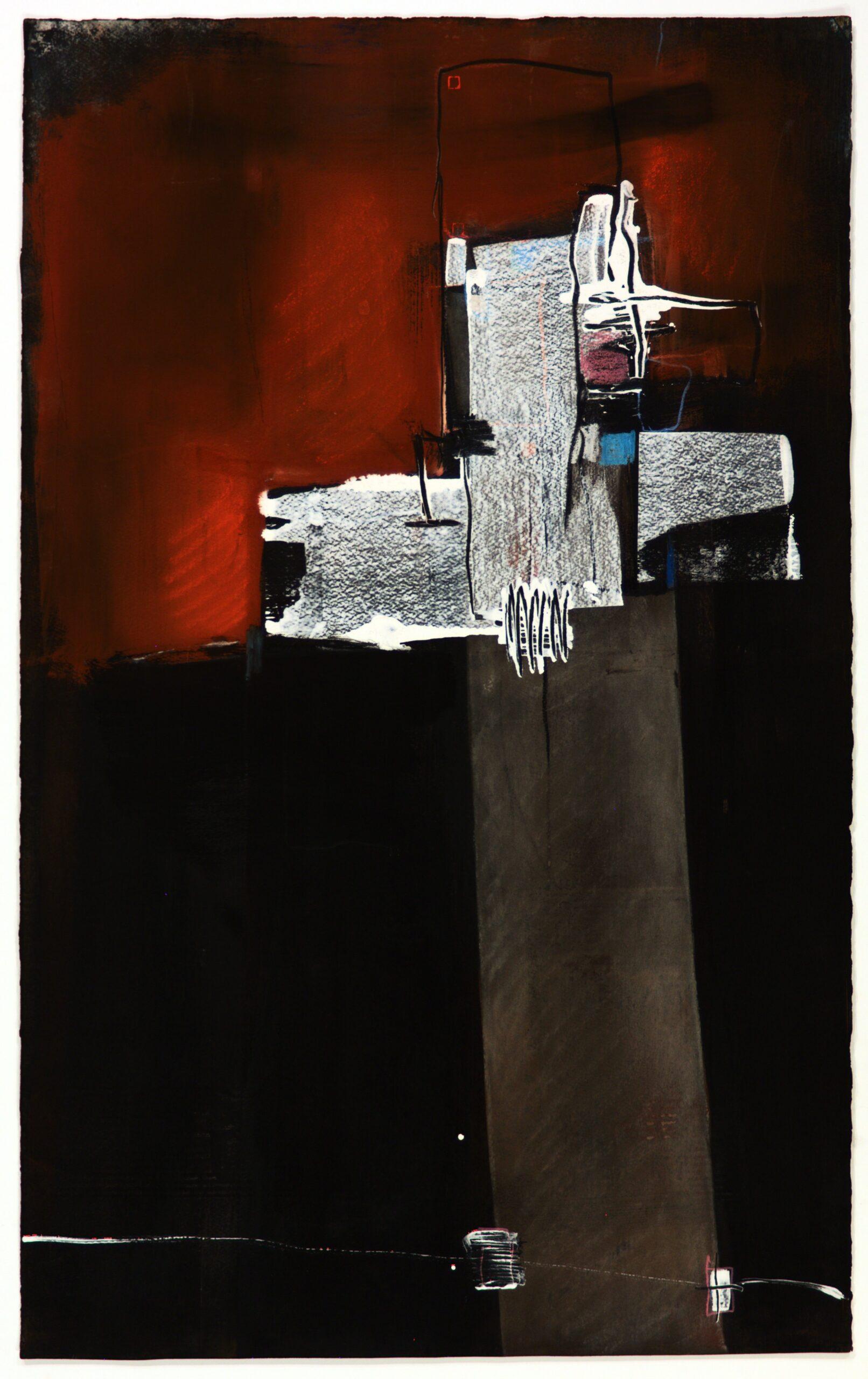
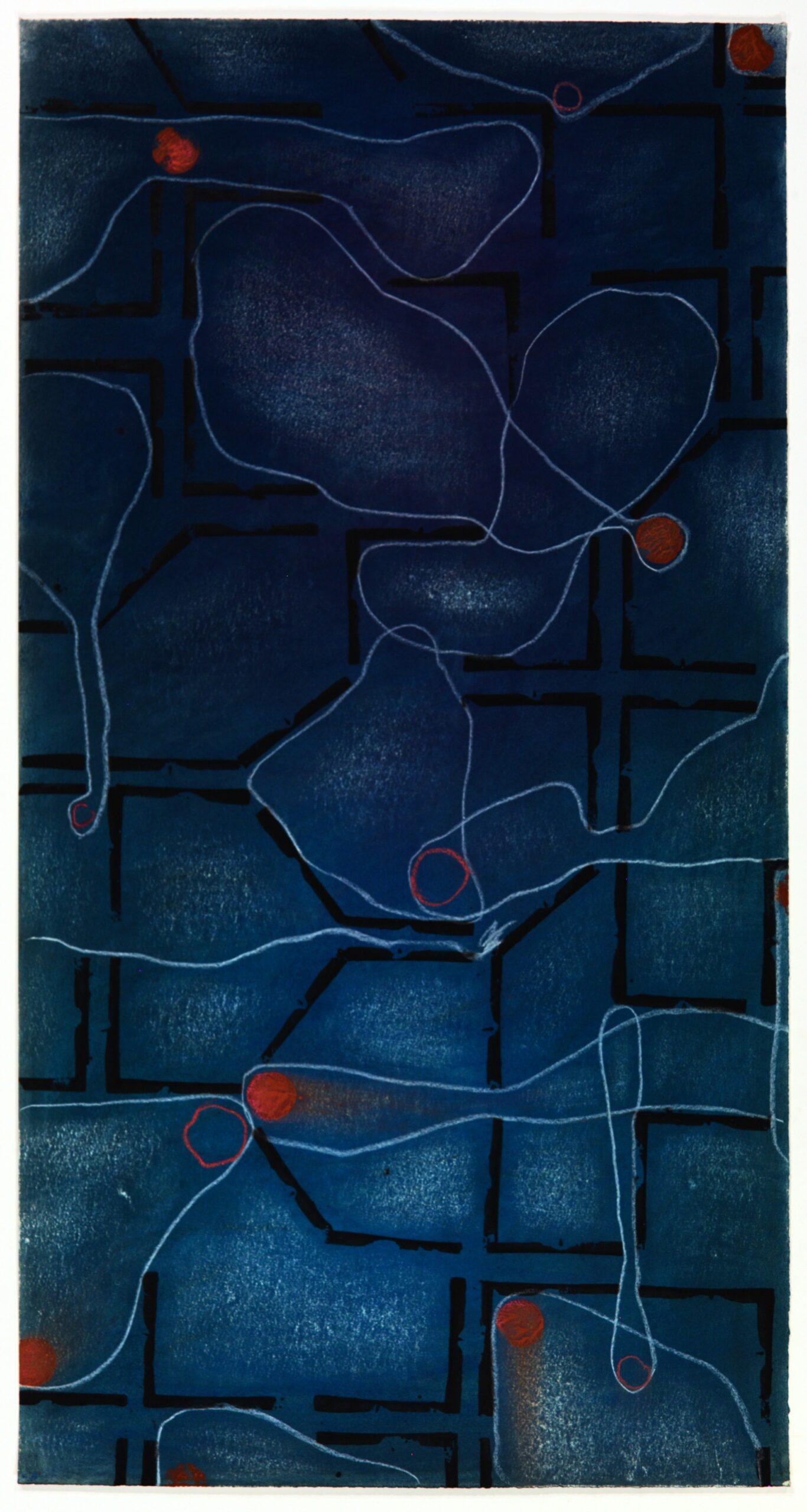
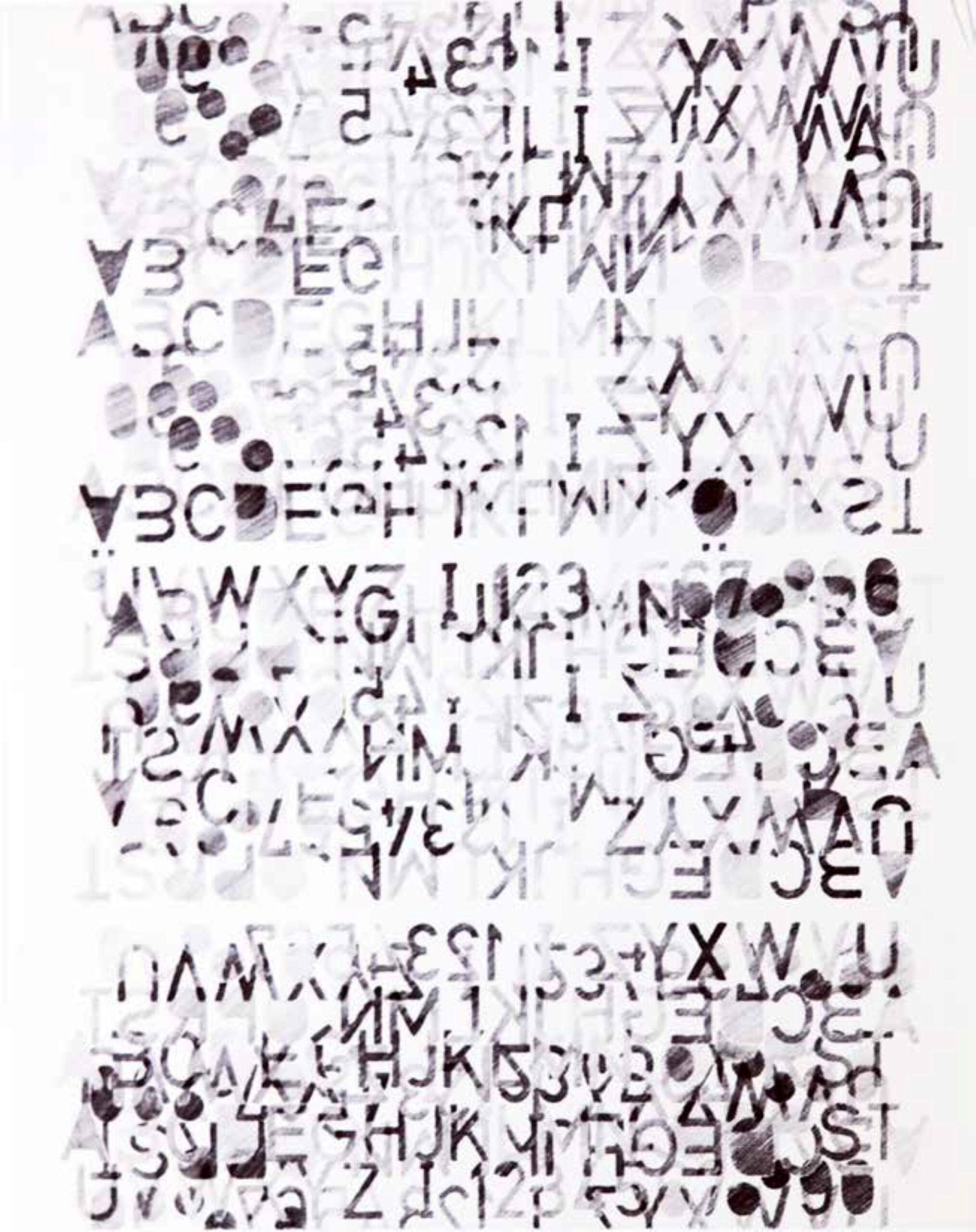
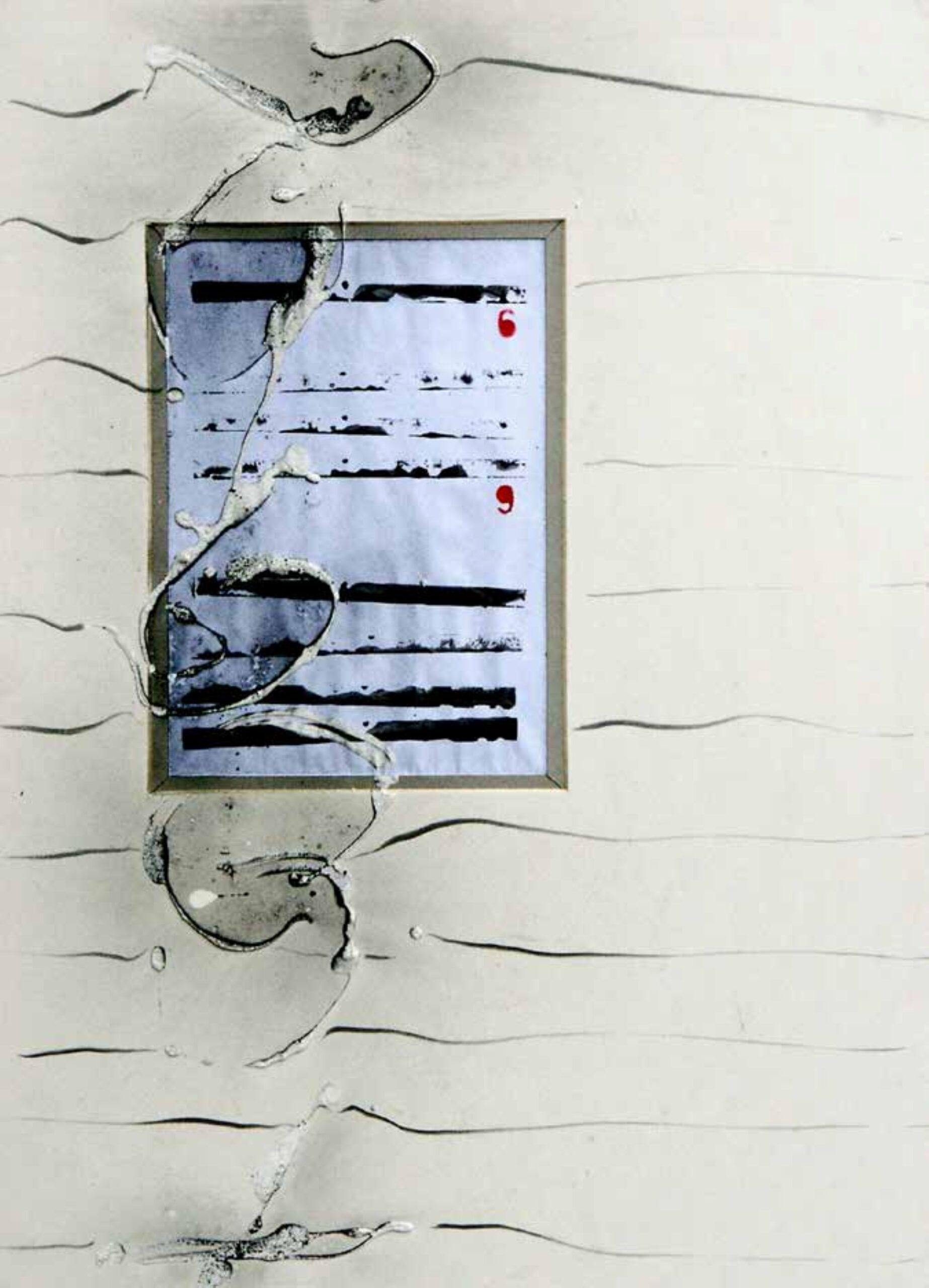
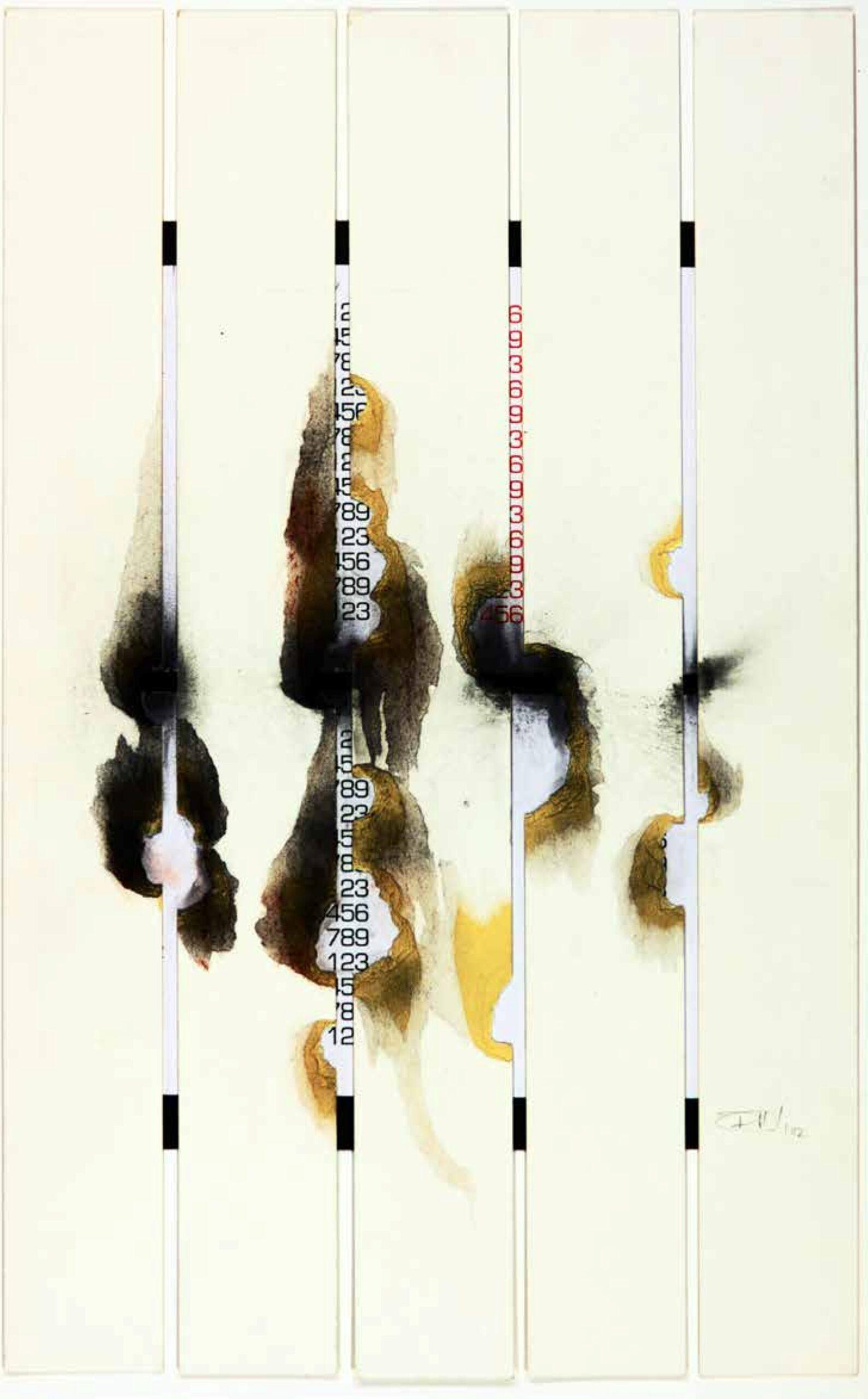
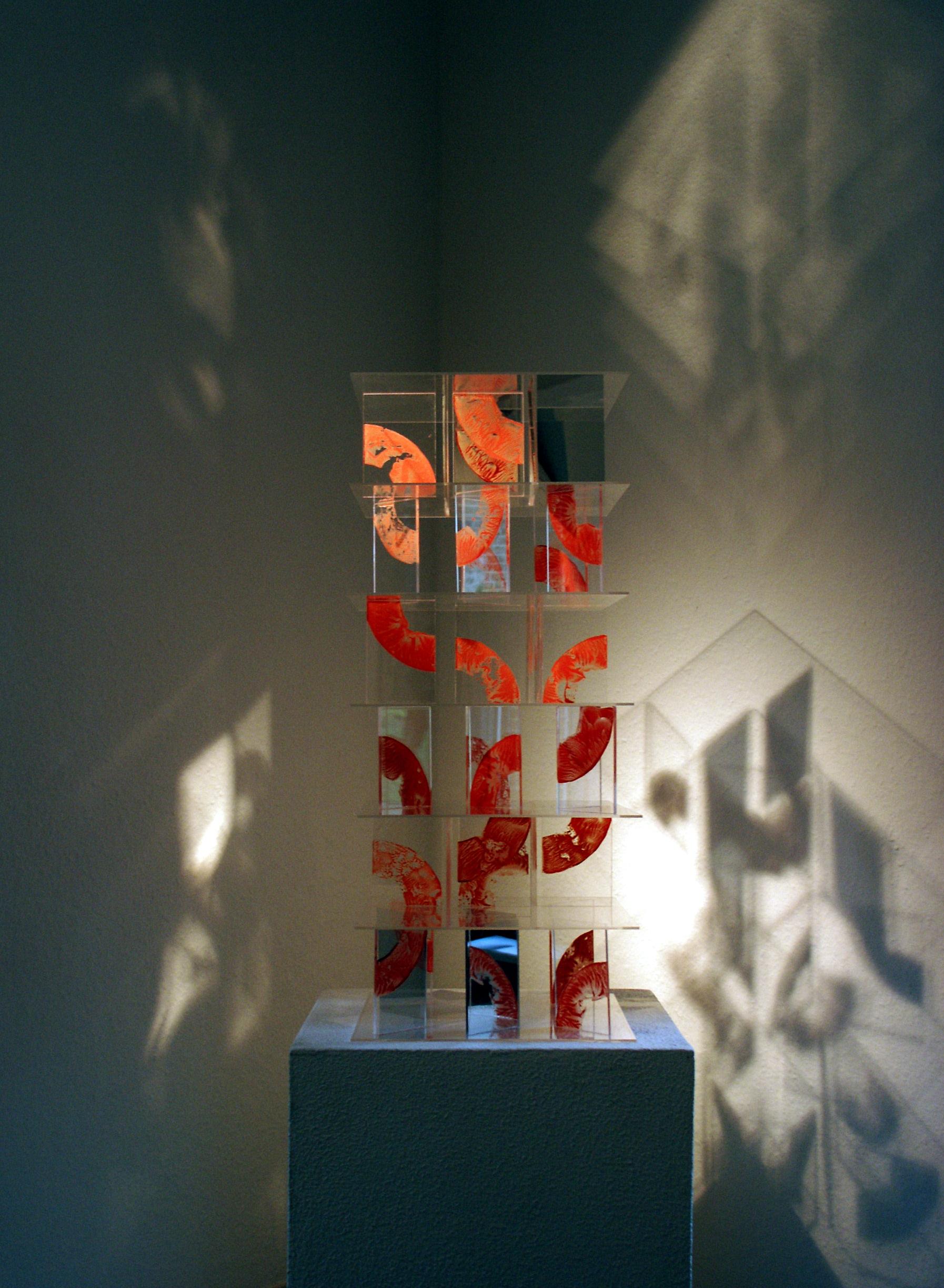
Spanning more than five decades, Hanke’s practice encompasses drawing, painting, mixed media, collage, and three-dimensional works incorporating acrylic glass. His compositions frequently employ numbers, codes, grids, masks, and fragmented forms to question established systems of order and the increasing reduction of human individuality to measurable categories. Rather than merely reproducing visible reality, his art reveals its contradictions and invites reflection on the relationship between appearance, interpretation, and truth.
A profound turning point in Hanke’s life came through several strokes, one of which severely impaired his ability to speak. Art became an essential means of communication and personal reconstruction, deepening his exploration of vulnerability, transformation, resilience, and hope.
Alongside his artistic practice, Hanke has worked as an art educator. His works have been exhibited internationally in galleries, museums, and art fairs, particularly throughout Europe and China, including presentations in Warsaw, Milan, and Berlin. A crowning achievement of his international exhibition career was his exhibition at the prestigious Rothko Museum in Daugavpils, Latvia, realized through Pashmin Art Consortia.
Hanke’s artistic journey is extensively documented in his comprehensive bilingual German–English monograph, Reinhard Hanke: Auf Hoffnung Gebaut / Built on Hope, published in Hamburg in 2026 by Pashmin Art Publisher. Edited by Nour Nouri and Dr. Davood Khazaie, the publication features scholarly contributions by Dr. Davood Khazaie and Dr. Sohrab Tavousi, alongside personal reflections by the artist himself. Through five thematic chapters, the monograph offers an in-depth exploration of his artistic development, philosophical vision, and lifelong engagement with human identity, the fragility of perception, and the enduring power of hope.